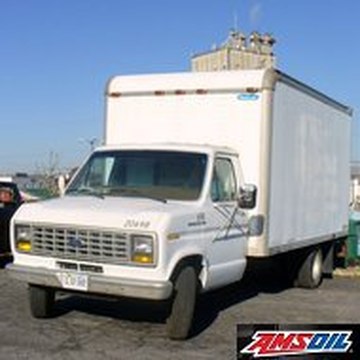
Maintaining Lubrication Standards for the 1982 Ford Trucks E150 VAN 5.0L
Proper engine maintenance is a cornerstone of long-term vehicle health, particularly for utility-focused vehicles like the 1982 Ford Trucks E150 VAN. With a 5.0L engine, ensuring that the internal components receive consistent and clean lubrication is vital for managing friction and heat during operation. Because this vehicle was manufactured several decades ago, maintenance approaches often shift from simple routine tasks to more observant, condition-based inspections.
Monitoring Fluid Integrity and Potential Leaks
One of the most effective ways to monitor the health of a 5.0L engine is through regular visual inspections for fluid integrity. Over time, various seals and gaskets may undergo changes due to heat cycles and age. When performing routine checks, it is useful to look for signs of seepage or active leaks around the engine block and lower components. Any evidence of oil contacting other hot surfaces should be investigated promptly, as this can lead to odors or unnecessary smoke.
Beyond looking for external leaks, observing the condition of the lubricant itself provides valuable information. If the oil appears excessively dark, gritty, or shows signs of contamination, it may indicate that the service interval has been exceeded or that there is an issue with the engine's internal cleanliness. Maintaining a clean environment around the drain plug and filter area also helps ensure that new lubricant remains uncontaminated during the refill process.
Observing Changes in Engine Operation
A proactive owner pays attention to how the vehicle behaves between scheduled services. While many mechanical issues can be complex, certain symptoms serve as important indicators that an inspection is warranted. For example, a sudden increase in lubricant consumption—where the level on the dipstick drops more rapidly than expected—can be associated with various internal or external factors. Similarly, any unusual mechanical noises that coincide with engine operation should not be ignored.
It is important to remember that symptoms like unusual sounds or changes in performance can have multiple underlying causes. Rather than attempting a definitive diagnosis based on a single observation, these signs should be treated as prompts for a more thorough professional inspection. Monitoring the dashboard for any warning indicators related to engine health is also a fundamental part of responsible ownership.
Managing Maintenance Records and History
For an older vehicle like this 1982 Ford Trucks E150 VAN, having a clear understanding of its service history can significantly influence maintenance decisions. If you are the current owner and the previous service records are unavailable, establishing a new maintenance baseline is a practical first step. This involves documenting every oil change, filter replacement, and mechanical repair from this point forward.
Reviewing past repairs can help identify if certain components have been addressed recently or if there are recurring patterns of maintenance needs. A well-documented history allows an owner to distinguish between routine preventive care and necessary corrective repairs. This organized approach is especially helpful when deciding how to prioritize tasks, such as addressing an active leak versus performing a standard fluid refresh.
Condition-Based Inspection Priorities
As vehicles age, the focus of maintenance often moves from strictly following a calendar to assessing the actual condition of components. Instead of replacing parts based solely on their age, it is more efficient to inspect them for signs of wear or deterioration. For instance, if the vehicle is equipped with various belts or hoses, these should be checked for cracking, glazing, or fraying. Similarly, electrical connections and wiring harnesses should be inspected for any signs of brittleness or corrosion.
When prioritizing maintenance, it is wise to address active concerns—such as visible seepage or changes in fluid color—before moving on to general preventive tasks. This ensures that the most immediate risks to engine longevity are managed first. By focusing on the current state of the vehicle rather than making assumptions based on its model year, owners can make more informed and cost-effective service decisions.
The Role of Lubricant Quality in Engine Longevity
Engine oil performs several critical roles that go beyond simple lubrication. It helps manage the thermal loads generated during operation and assists in carrying away heat from internal components. Furthermore, high-quality lubricants are designed to help control the buildup of deposits and sludge, which can otherwise accumulate over long periods of use. Maintaining clean oil is essential for ensuring that all moving parts operate with minimal friction.
Some modern lubricant formulations include specific additives intended for aging engines. For example, certain high-mileage oils contain seal-conditioning agents that may help maintain the flexibility of older gaskets and seals. While these are not a substitute for repairing active leaks, they can be a consideration when selecting a product for a vehicle with higher operational hours.
Practical Steps for Buying Engine Oil for your 1982 Ford Trucks E150 VAN 5.0L
When it is time to replenish the engine lubricant, accuracy in selection is paramount. To ensure the engine receives the correct protection, you must match the oil to the application-specific viscosity and requirements already displayed on this webpage. Avoid making assumptions about which grade is best based solely on the vehicle's age or your local climate; instead, rely on the specific data provided for this 5.0L engine.
Before completing a purchase, always check the product labeling to verify that the oil meets the appropriate API service classifications. Depending on your maintenance goals and the current condition of the engine, you may choose between conventional, synthetic blend, or full synthetic formulations. If the engine shows signs of significant age, you might also consider looking into high-mileage specific products. Always prioritize the technical specifications listed in the application information above to ensure a proper match for your 1982 Ford Trucks E150 VAN.